
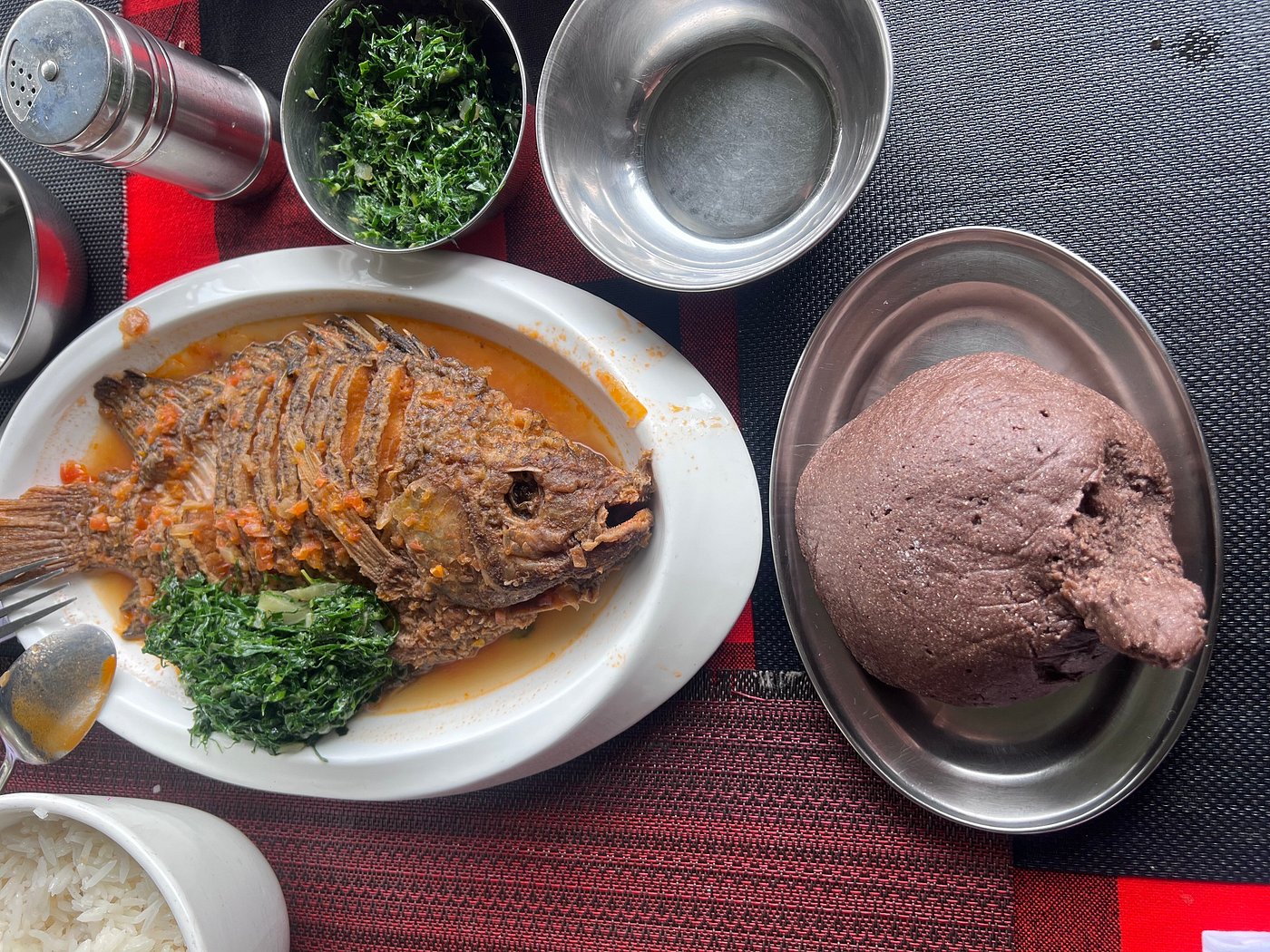

The truth about eating in Kenya:
Most high-end safari lodges serve excellent, generic international cuisine that has nothing to do with East Africa. To experience actual Kenyan food culture requires leaving the managed bubble of the lodge dining room and seeking out the specific, regional, and historically complex dishes that define this country. This Kenya Food Guide details exactly what to eat, where to find it, and why the best culinary experiences in Kenya often cost $5 rather than $50.
The Safari Dining Paradox
The most common mistake international travelers make regarding Kenyan food is assuming they will experience it on a luxury safari. They won’t. The standard $800-a-night lodge model relies on imported ingredients to produce familiar European-style menus- beef fillet, pasta, and generic salads- designed to offend no one.
This creates a paradox: the more you pay for your accommodation, the further you are insulated from authentic Kenyan culinary culture. True access to Kenyan food requires intentionality. It means asking your guide to stop at a roadside nyama choma (roast meat) joint in Narok rather than eating the packed lodge lunch, or taking the time to explore Mombasa’s Old Town spice markets instead of dining at your Diani Beach resort.
According to Elite Plus Magazine’s 2023 interview with Madame Pamela Jebichii Kiptiness, spouse of the Kenyan ambassador to Thailand, “Kenyans like to eat food they know the source of. The majority of Kenyans grow organic crops, which means most of what is served is organic.” This emphasis on traceability and organic production stands in stark contrast to the industrial supply chains that feed most international hotels.
8 Key Facts: The Reality of Eating in Kenya
| Fact | Detail |
| The National Staple | Ugali (stiff maize porridge) is consumed daily by approximately 80% of the population and has been a foundational food since the earliest migrations around 300 AD. |
| The Coastal Divide | Swahili coastal cuisine uses coconut, tamarind, and Indian Ocean spices; inland cuisine relies on maize, beans, and roasted meats. The two traditions are entirely distinct. |
| The Meat Hierarchy | Goat is the premium meat for roasting (nyama choma), followed by beef. Chicken is common; pork is rare outside tourist areas. Grass-fed and free-range animals are the norm. |
| The Indian Influence | Chapatis, samosas, and pilau rice are deeply integrated into Kenyan food, a legacy of the 32,000 Indian laborers brought to build the Uganda Railway in 1896. |
| The Cost Reality | An authentic, exceptional local meal costs 300–800 KES ($2–$6). A generic tourist meal costs 2,500–5,000 KES ($19–$38). |
| The Safety Rule | High turnover equals safety. A packed local hoteli (basic restaurant) at 1:00 PM is turning over inventory rapidly. The food is fresh and hot. |
| The Coffee Irony | Kenya is the 5th largest producer of Arabica coffee in the world, yet locals overwhelmingly drink tea (chai), heavily sweetened and boiled with milk. |
| The Vegetarian Reality | While meat is highly prized, traditional inland diets are heavily plant-based (githeri, sukuma wiki, indigenous greens), making vegetarian travel straightforward. |
The Historical Foundations: 1,700 Years of Culinary Evolution
Kenyan cuisine cannot be understood without understanding its history. According to research compiled by Kathleen Pokrud for Elite Plus Magazine, “Our cuisine can be traced back to the earliest migrations around 300 AD. This is when the Bantu tribes migrated from central Africa, intermingled with Nilotes, Cushites and Arabs. As they intermarried came the emergence of the Swahili culture that led to an emergence of a tasty food culture.”
During this foundational period (300–600 AD), the main foods were sorghum, wild millet, barley, wild rice, wild fruits and honey. The River-Lake Nilotes fished extensively because they lived by the Nile, while those who lived on the plains survived on meat, animal blood and milk as they kept cattle.
Around 600 AD, the Phoenicians and Egyptians arrived at the coastal area of Mombasa, introducing seafood such as mangrove crab. Later, Arabs from the Middle East arrived searching for fresh spices from Zanzibar, introducing sugarcane and rice. The Portuguese followed, introducing maize and beans (which originated in South America), along with potatoes, peanuts, tomatoes and bell peppers. With British occupation came bread, pizza and burgers.
This layering of influences—African, Arab, Indian, Persian, Portuguese, and British—created what is today recognized as one of Africa’s most diverse cuisines. Kenya now has more than 45 different dishes from its diverse communities, made up of African, Arab, Swahili, Indian and European influences. With more recent arrivals from China, Thailand, Japan and Korea, the culinary landscape continues to evolve.
The Inland Foundation: Maize, Meat, and Fire
The culinary foundation of central and western Kenya is built on agricultural endurance and pastoralist traditions. These are not delicate dishes; they are caloric engines designed for high-altitude farming and long-distance herding.
Ugali: The Architecture of a Meal
Ugali is not merely a side dish; it is the structural foundation of the Kenyan diet. Made by boiling white maize flour into a dense, polenta-like block, it has a neutral, slightly chalky flavor. Its purpose is architectural—it provides the starchy base that carries the flavor of the accompanying stews and greens.
The Intimacy of the Hand: Eating ugali requires physical engagement. You pinch off a golf-ball-sized piece with your right hand, roll it until smooth, press your thumb into the center to create a scoop, and use it to pick up meat or vegetables. This tactile connection to the food is fundamental to the Kenyan dining experience. Using a fork immediately marks you as an outsider unwilling to engage with the culture on its own terms.
Madame Pamela noted that traditional Ugali ya Wimbi is made using millet flour cooked in hot water for not less than thirty minutes, sometimes mixed with sorghum flour. It is eaten with fermented milk, which is mixed with traditional herbs to protect the digestive system. It can also be served with traditional vegetables like nightshade (managu) or meat.
Nyama Choma: The Ritual of the Roast
Nyama choma (roasted meat) is the undisputed center of Kenyan social life. It is not fast food. The process of selecting the meat (usually goat, mbuzi), waiting for it to be slow-roasted over charcoal, and eating it communally takes hours. This is where the value of time becomes apparent. You do not rush nyama choma.
The meat is served on a wooden board, chopped into bite-sized pieces by the server using a heavy cleaver. It is accompanied by a pile of salt and kachumbari—a sharp, acidic salad of raw tomatoes, red onions, cilantro, and bird’s eye chilies that cuts through the rich, fatty meat.
The Practical Implication: Do not order nyama choma at a luxury lodge. It will be over-refined and cooked on a gas grill. Instead, ask your driver-guide to take you to a local choma zone. In Nairobi, Kenyatta Market offers an intense, authentic experience where dozens of stalls compete for business, the air thick with woodsmoke and the sound of cleavers hitting chopping blocks.
The Kikuyu Heartland: Githeri, Mukimo, and Irio
In the agricultural highlands of central Kenya, the Kikuyu people developed dishes based on the crops that thrive in the rich volcanic soil. These dishes remain the foundation of Central Kenyan cuisine.
Githeri: A fundamental dish of boiled maize and kidney beans. In its most basic form, it is simply salted. In modern iterations, it is fried with onions, tomatoes, and curry powder. It is the ultimate slow-release energy food, designed for farmers working long days in the fields.
Mukimo (Irio): A dense, vivid green mash made from potatoes, corn, beans, and pumpkin leaves (which provide the color). It is earthy, heavy, and traditionally served at weddings and major ceremonies alongside roasted meat. The dish is a testament to the agricultural bounty of the highlands and the ingenuity of the Kikuyu people in combining different crops into a single, delicious meal.
Irio: Similar to mukimo but made with peas, potatoes, and corn. The distinction between the two is regional and often depends on what vegetables are available at harvest time.
The Maasai Pastoralist Tradition: Blood, Milk, and Fire
The Maasai, who inhabit the semi-arid regions of Northern Kenya, have developed a food culture entirely distinct from the agricultural communities. According to research from Thomson Safaris and Together Women Rise, the traditional Maasai diet consists of six basic foods: milk, meat, fat, blood, honey, and tree bark. Both fresh and curdled milk are drunk. Fresh milk is drunk in a calabash (gourd) and is sometimes mixed with fresh cattle blood.
Blood is obtained by nicking the jugular artery of a cow precisely, allowing for blood-letting that doesn’t kill the animal. Mixed blood and milk is used as a ritual drink in special celebrations, or given to the sick. Most of the meat dishes are fried or roasted then mixed with blood and ugali. Honey is obtained from the Torrobo tribe and is a prime ingredient in mead, a fermented beverage that only elders may drink.
The Paradox of Health: Though a diet made up of primarily animal proteins might sound like a heart attack waiting to happen, Maasai that consume a primarily traditional diet are emphatically healthy. Studies going as far back as the 1930s showed almost no diseases or cavities among Maasai tribesmen. More recent studies on Maasai warriors showed no signs of heart disease, and cholesterol levels about half as high as the average American’s. Interestingly, Maasai that have moved into cities, where they are eating diets with higher levels of sugar and grains than a traditional Maasai diet contains, show much higher rates of heart problems.
The Swahili Coast: 1,000 Years of Trade and Spice
The food of the Kenyan coast (Mombasa, Malindi, Lamu) is entirely distinct from the inland diet. It is the product of 1,000 years of Indian Ocean trade, blending Bantu African foundations with Omani Arab, Persian, and Indian influences.
The Complexity of Pilau and Biryani
Coastal rice dishes are sophisticated studies in spice blending. Pilau is cooked in a single pot, the rice absorbing a dark, fragrant broth heavily spiced with cumin, cardamom, cinnamon, and cloves. It is savory and deeply aromatic. The preparation is often a communal affair, with the fragrant aromas filling the air long before the meal is ready.
Biryani, by contrast, is a two-step process. The meat (chicken or beef) is cooked in a rich, yogurt-or-tomato-based masala, while the rice is boiled separately, often tinted with saffron or food coloring. The two are combined at the end. Biryani ya nazi (coconut rice with meat or vegetables) is a coastal specialty that reflects the abundance of coconut palms and the Indian influence on the region.
The Access Angle: To understand coastal food, you must access the narrow alleys of Mombasa’s Old Town or Lamu. In Lamu, seek out the small, unmarked cafes behind the seafront where women cook samaki wa kupaka—freshly caught snapper grilled over charcoal and basted in a thick, fiery tamarind and coconut milk sauce. This is a dish that relies entirely on the morning’s catch and coconuts grated by hand that same day.
The Breakfast Ritual: Mahamri and Mbaazi
A proper Swahili breakfast is a revelation. Mahamri are hollow, triangular doughnuts leavened with yeast and flavored with cardamom and coconut milk. They are served alongside mbaazi, pigeon peas simmered in a light coconut broth. The sweetness of the pastry against the savory, creamy peas is the definitive taste of the Kenyan morning.
Coastal Seafood Traditions
The Swahili people use many spices of Indian origin, like cardamom, coriander, clove, and cumin, and sometimes even ginger, turmeric, garam masala, and saffron. Seafood dishes such as grilled fish, prawns in coconut curry, and octopus in coconut curry (pweza wa nazi) showcase the unique blend of flavors found in this region.
The Luo Lake Victoria Tradition: Fish and Community
Western Kenya, particularly around Lake Victoria, has developed a distinct culinary identity centered on freshwater fish. The Luo people, who comprise the population of Western Kenya alongside the Luhya and Kisii, have built their food culture around the abundance of the lake.
The most popular species of fish among the Luo is the “ngege” (tilapia fish), but others also included “mumi” (catfish) and “omena” (sardines). Kisumu is often considered the best place to eat fish in Kenya, with catches from Lake Victoria—especially tilapia and Nile perch—fried with ugali and served with fresh vegetables.
The Practical Implication: If you want to experience authentic Luo cuisine, visit Kisumu during the fishing season. The fish is caught in the morning and cooked for lunch. There is no fresher fish experience in Kenya.
The Nutritional Revolution: Traditional Foods and Modern Science
In recent years, Kenya has experienced a significant shift in how traditional foods are valued. According to research published in The Conversation by Patrick Maundu, ethnobotanist at the National Museums of Kenya, a few years ago traditional vegetables and local foods in Kenya were largely perceived as foods of the poor and of the past. Local markets were dominated by three exotic vegetables: cabbage, kale (locally known as sukuma wiki) and Swiss chard (spinach).
However, research conducted between 1995 and 2006 prioritized 24 vegetables out of a total of 210 in Kenya for detailed research and promotion. This research revealed the extraordinary nutritional value of traditional foods:
The Nutritional Revolution: Traditional Foods and Modern Science
Years of research have revealed that traditional Kenyan foods are among the most nutrient-dense on the planet. Here’s what the science shows:
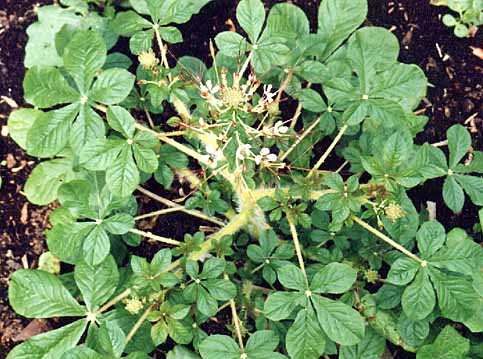

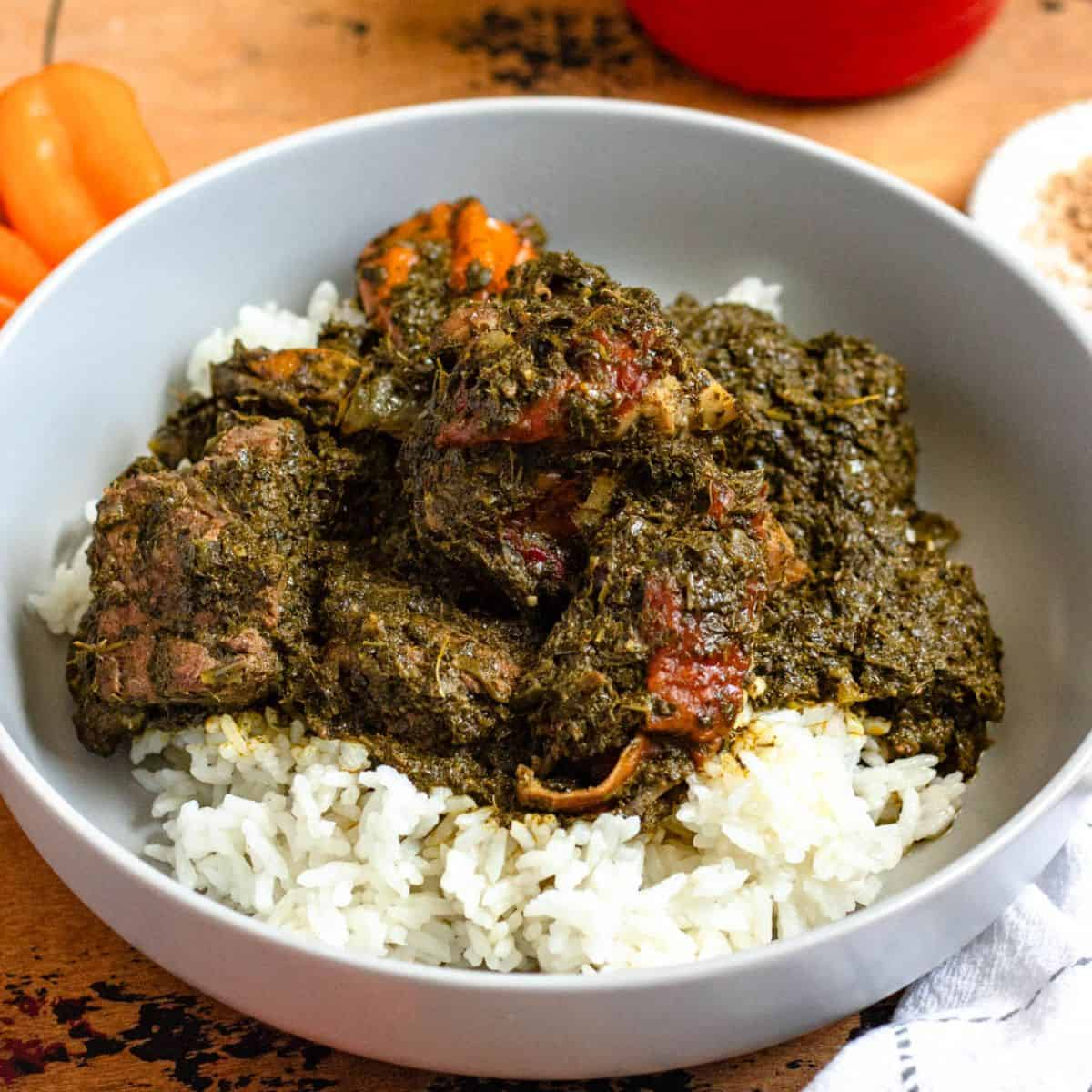
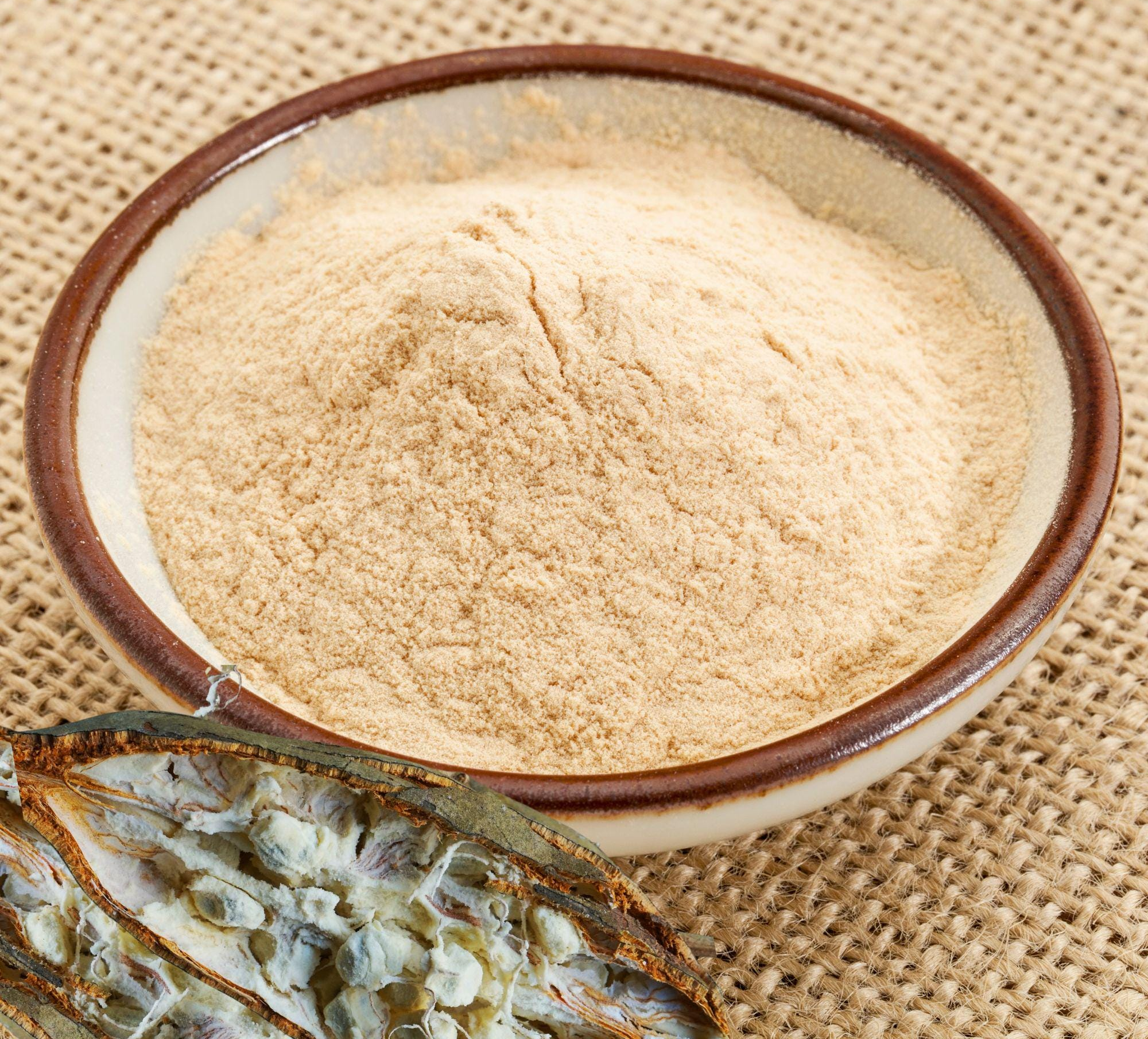
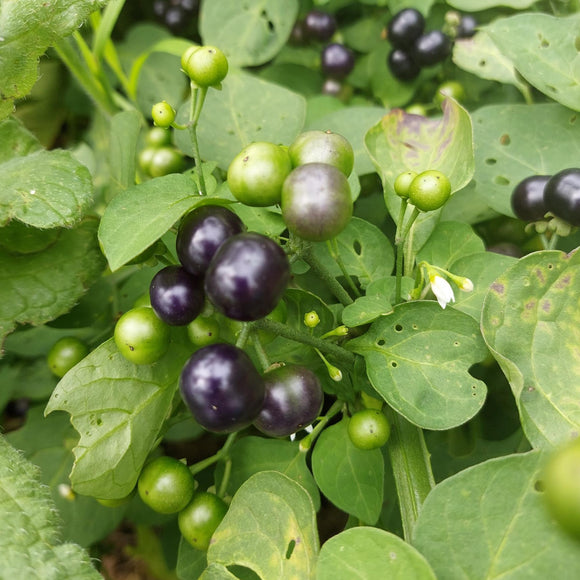
By 2003, the tide had begun to turn. Traditional vegetables had been introduced in most supermarkets and negative attitudes had largely changed. Today, traditional leafy vegetables such as mchicha, managu and saga are commonplace in restaurants, street markets and homes. UNESCO recognized Kenya’s efforts to promote traditional foods by placing them on the Register of Good Safeguarding Practices in December 2021.
Street Food and Dining Experiences
Kenya offers a vibrant street food culture that is safe and delicious, provided you follow a few basic guidelines. Street food is an excellent way to experience the local flavors and interact with the community.
Must-Try Street Foods
Smokie Pasua: A boiled sausage split open and stuffed with a spicy tomato and onion relish (kachumbari), often wrapped in paper. It is a quick, cheap, and satisfying snack that is popular across the country.
Mutura: A traditional Kenyan sausage made from minced meat, herbs, and spices, stuffed into intestines and grilled over charcoal. It is an acquired taste but a beloved local snack. The smoky flavor and spicy filling make it a popular choice for adventurous eaters.
Chips Mayai: A popular street food and diner staple, this is a plate of french fries mixed with beaten eggs and cooked into an omelet-like dish, topped with chili sauce. It is a hearty and filling meal that is perfect for a quick lunch or dinner.
Roasted Maize: A cob of corn roasted over hot embers, often seasoned with salt, chili, and lime juice. It is a popular snack, especially in the evenings, and is often sold by vendors on the streets of major cities.
Bhajias: Deep-fried potato wedges coated in a spiced batter, similar to Indian pakoras. They are typically served with a tangy tamarind sauce and are a popular snack in Nairobi and other urban areas.
Mandazi: Deep-fried doughnuts, often served as a breakfast item with tea. They can be sweet or savory, depending on the vendor and the region.
Samosas: Fried pastries filled with meat or vegetables, reflecting the Indian influence on Kenyan cuisine. They are sold at street stalls throughout the country and are a beloved snack.
The Hidden Gems: Where to Actually Eat
Mainstream travel guides direct visitors to The Carnivore in Nairobi. While it offers a spectacle (meat carved from swords), it is a high-volume tourist operation. For travelers seeking genuine culinary intimacy beyond the tourist circuit, these are the alternatives.
Rarely Mentioned but Highly Rated
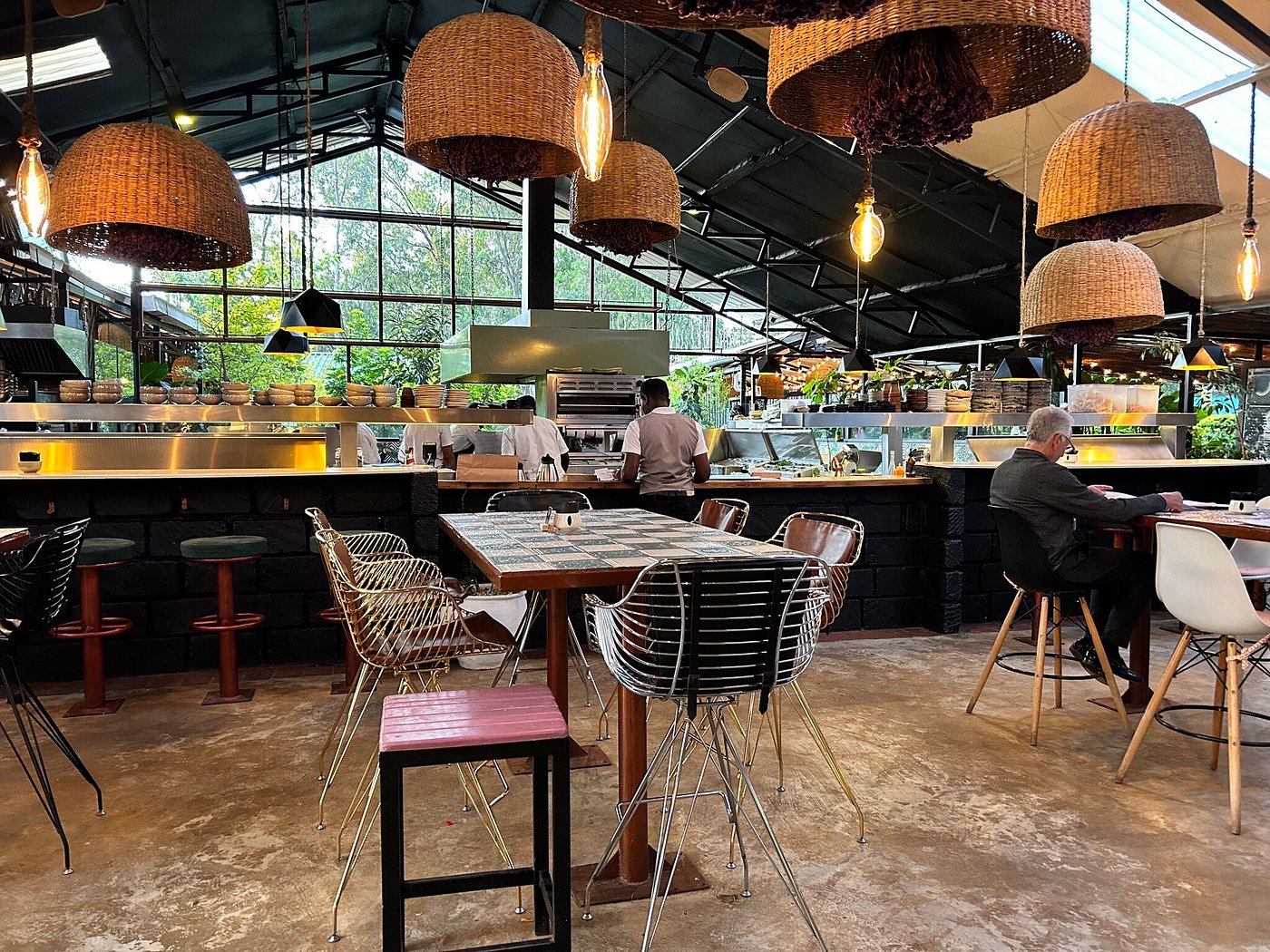
Three exceptional dining experiences that exist beyond the standard tourist circuit
The Comparison: Nairobi Dining Options
| Establishment | Price (USD) | Best For | The Honest Assessment |
| The Carnivore | $40–$50 | The spectacle of volume | Fun, but the meat quality is inconsistent and the ‘exotic’ meats (crocodile, ostrich) are farmed, not wild. |
| Talisman (Karen) | $30–$45 | Reliable upscale dining | Excellent ambiance and consistent quality, but the menu leans heavily European/Asian fusion rather than Kenyan. |
| Kenyatta Market (Stall 10) | $5–$8 | Authentic Nyama Choma | The best roast goat in the city. Loud, smoky, crowded, and entirely authentic. No reservations, no wine list. |
| Mama Oliech (Kilimani) | $8–$12 | Lake Victoria Fish | The definitive spot for deep-fried whole tilapia with ugali. Made famous by Mark Zuckerberg’s visit, but remains uncompromisingly local. |
| Cultiva Farm | $25–$35 | Farm-to-table innovation | Exceptional quality and creativity, but the menu changes based on what’s in season. Book ahead. |
Logistics and Safety
The most common planning mistake international visitors make is assuming that all local food will make them sick, leading them to eat exclusively in overpriced hotel restaurants. This paranoia isolates them from the culture.
The Rules of Engagement
- The Turnover Rule: Eat where the locals eat, specifically at peak times. A busy street food stall frying bhajias (spiced potato slices) at 1:00 PM is turning over its inventory rapidly. The food is fresh and hot. A quiet hotel buffet at 2:30 PM is serving food that has been sitting under heat lamps for two hours.
- The Water Reality: Do not drink the tap water anywhere in Kenya. This extends to ice in drinks and salads washed in tap water. At local hotelis, stick to cooked food (stews, ugali, roasted meat, fried items) and bottled water or sodas. Kenya’s National Food Safety Policy, established in 2021, outlines rigorous food safety standards for restaurants and food service establishments (KS 2573:2015), but tap water treatment remains inconsistent outside major urban centers.
- The Hand-Washing Ritual: Before any traditional meal, a server will bring a plastic jug of warm water, soap, and a basin to your table. Wash your hands thoroughly. You will be eating with them. This is not optional; it is a sign of respect and hygiene.
Dining Etiquette
According to research from Together Women Rise on Maasai customs, proper dining etiquette in Kenya includes:
- Before entering a Kenyan home, take off your shoes.
- Guests are expected to wash their hands before and after the meal.
- The honored guest is served first, then the oldest male, the rest of the men, children, and then finally the women.
- When eating with your hands, most Kenyans eat only with their right hand.
- Do not put your left hand on bowls or serving pieces.
- After a meal, a small burp signifies satisfaction.
- Beverages are not served with meals since Kenyans believe it is impolite to eat and drink at the same time.
- Tea and coffee are generally served after a meal and should be accepted even if you only take a few sips.
What to Ask Your Safari Operator
If you want to experience real Kenyan food while on safari, you must explicitly instruct your operator. Ask these specific questions:
- “Can we replace one of our packed lodge lunches with a stop at a local hoteli in a town like Narok or Nanyuki?”
- “Does the lodge employ local Kenyan chefs, and can we request a traditional Swahili or Kikuyu dinner one evening instead of the standard menu?”
- “Are the ingredients sourced from the adjacent communities, or are they flown in from Nairobi?” (This speaks directly to the economic impact of your stay).
The Ethical Dimension: Food and Conservation
The food you eat in Kenya has a direct environmental and economic footprint. The best conservancy camps (such as those in Naboisho or Ol Pejeta) are shifting away from imported luxury ingredients (like Scottish salmon or French cheeses) and focusing on hyper-local sourcing.
When a camp in Laikipia purchases its beef from the adjacent pastoralist communities rather than a commercial feedlot, it provides a direct economic incentive for those communities to tolerate wildlife on their grazing lands. This is the mechanics of conservation in practice. Ask where your food comes from; the answer will tell you everything you need to know about the lodge’s actual commitment to the ecosystem.
Kenya’s hospitality industry contributes approximately 10% to the country’s GDP, which is higher than Africa’s average of 8.1%. In 2019, the tourism sector contributed over $1.6 billion to Kenya’s GDP. Hotels source goods such as food, beverages, textiles, and furniture from local suppliers, meaning that your dining choices directly impact local economies.
Beverages: The Ritual of Chai and Coffee
Chai: Kenya’s national beverage is not coffee, despite the country’s status as a world-class coffee producer. Chai is a strong black tea boiled with milk, sugar, and spices like cardamom and ginger. It is served throughout the day and is a fundamental part of Kenyan hospitality. A proper cup of chai is thick, sweet, and warming.
Coffee: While Kenya produces some of the world’s best Arabica coffee (the 5th largest producer globally), locals overwhelmingly drink tea. Kenyan coffee is primarily grown for export. When coffee is served locally, it is often strong and black, served in small cups.
Traditional Fermented Beverages: Busaa is a fermented millet beer traditionally brewed by Kenyan communities. Mursik, a fermented milk drink, is a staple for the Maasai and Kalenjin people. It is made by fermenting cow’s milk in a specially treated gourd, which gives it a distinct smoky flavor.
Tropical Juices: Fresh sugarcane juice, mango juice, and passion fruit juice are available from street vendors throughout the country. These are refreshing and safe if purchased from high-turnover vendors.
Dietary Accommodations
Vegetarian and Vegan
Many traditional side dishes are naturally vegetarian, such as sukuma wiki, githeri, and chapati. Indian restaurants in major cities offer excellent vegetarian and vegan curries. When ordering, use the Swahili phrase “bila nyama” (without meat). For vegan options, it is important to specify “bila maziwa, bila mayai” (no milk, no eggs), as many dishes may contain dairy or egg products.
Halal
With a significant Muslim population, especially along the coast, halal food is widely available and easily identifiable in restaurants and street stalls. Look for the Halal sign or ask the staff if you are unsure.
Gluten-Free
Ugali, rice dishes, and grilled meats are naturally gluten-free, though travelers should verify the ingredients in stews and sauces, as some may contain flour or other gluten-containing thickeners. Chapati is made from wheat flour and is therefore not gluten-free. Millet (wimbi) and sorghum (mtama) are naturally gluten-free grains and are increasingly available in restaurants.
Practical Tips for Eating in Kenya
Hand Washing: It is customary to wash your hands before a meal, especially when eating ugali or nyama choma with your fingers. Many restaurants and households provide a jug of water and a towel for this purpose. It is considered polite to use the right hand for eating and passing food.
Tipping: In local eateries, tipping is not strictly expected, but rounding up the bill is appreciated. In mid-range and upscale restaurants, a tip of 5-10% is standard if a service charge has not been added. Tipping is a way to show appreciation for good service and is an important part of the hospitality culture in Kenya.
Pacing Yourself: Kenyan meals, especially those involving nyama choma, can be heavy and rich. Pace yourself and stay hydrated with bottled water or fresh sugarcane juice. It is also common to take breaks during meals to converse with your companions.
Embrace the Communal Spirit: Kenyan dining is often a communal experience, with dishes shared among the group. Embrace this spirit of togetherness and enjoy the opportunity to connect with others over a meal.
Conclusion: The Culinary Journey
Experiencing Kenyan cuisine is an integral part of understanding the country’s culture and people. By embracing local dishes, exploring regional specialties, and dining with the spirit of community, visitors can enjoy a culinary journey that is as memorable as the wildlife safaris Kenya is famous for. Whether you are savoring a plate of nyama choma with friends, enjoying a fragrant coastal curry, or sharing ugali with a Maasai family, the flavors of Kenya will leave a lasting impression.
Tell us what culinary experiences you are looking for, and we will tell you honestly whether we can integrate them into your itinerary—and if we cannot, we will tell you who can.