
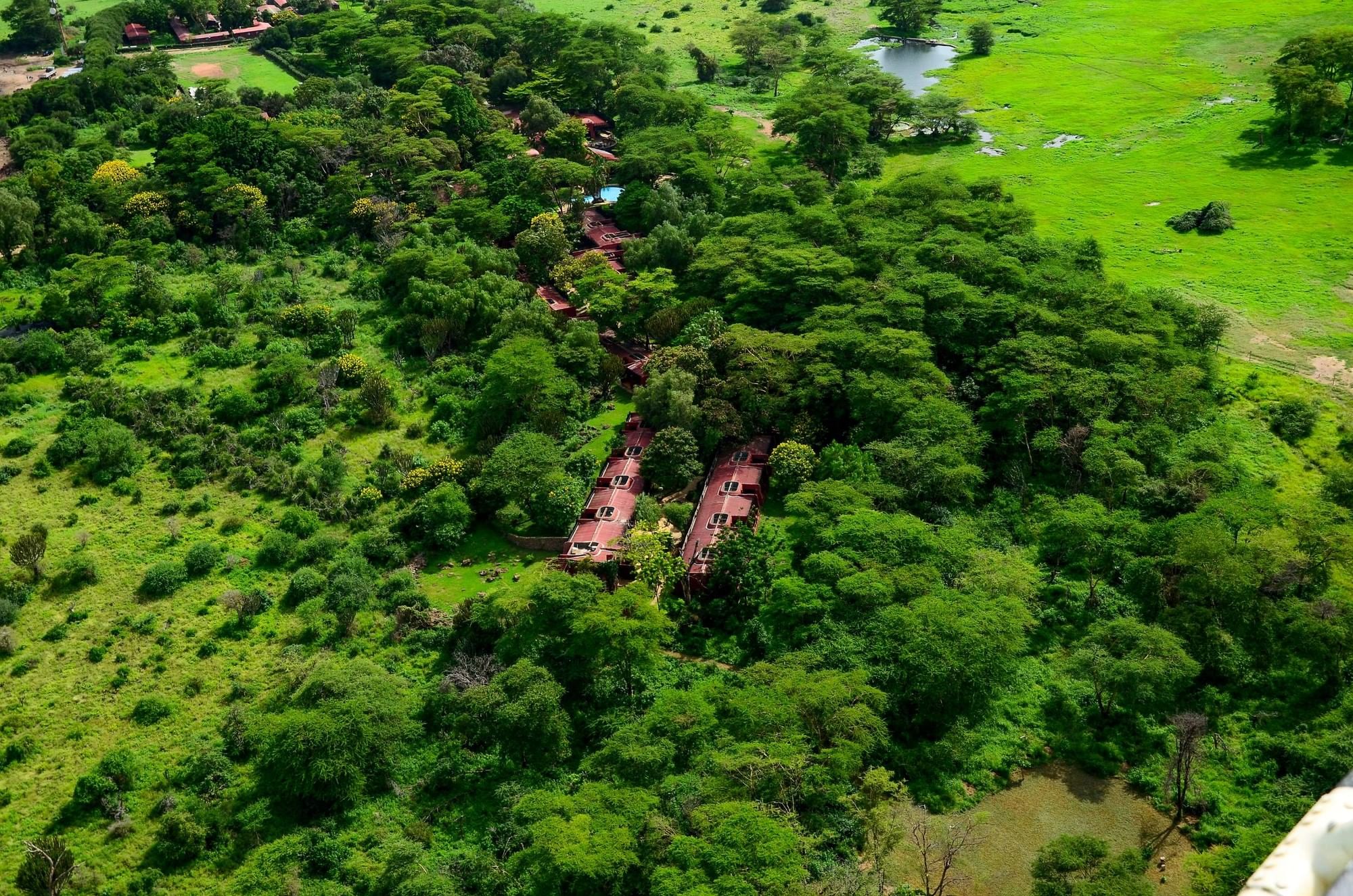

The geography of Amboseli accommodation — why it matters
Choosing where to stay in Amboseli is a more consequential decision than it is in most Kenya safari destinations, because the ecosystem is large and the relationship between accommodation location and experience is specific. Most visitors assume the obvious choice is inside the national park itself. This is correct for one purpose — maximum time proximity to the main swamps and the highest Kilimanjaro-with-elephants photography probability — but wrong for others. Only three lodges are inside the park boundary. The majority of Amboseli’s best accommodation is in the surrounding private conservancies and community group ranches, each offering something different from the national park experience.
The key distinction mirrors the Maasai Mara: lodges inside the national park cannot operate night drives or walking safaris. Lodges in the surrounding conservancies can. If seeing Amboseli’s nocturnal wildlife — the hyenas, servals, and African wildcats that are active after dark — matters to you, a conservancy camp is necessary. If your sole purpose is the iconic Kilimanjaro-and-elephants dawn photograph from the Enkongo Narok swamp, and you have no interest in night drives or walking, the best lodge for that specific purpose is inside the park.
The second critical factor is Kilimanjaro position. The mountain is to the south and south-southeast of the park. Camps positioned on the south and east sides of the ecosystem generally have the best mountain views. Camps in the Selenkay Conservancy to the north see less of the mountain but access different wildlife patterns and have the least crowding of any Amboseli accommodation.
Inside the national park — three lodges, three positions
Private conservancies south of the park — the best Kilimanjaro camps
Selenkay Conservancy — north of the park
Kimana Conservancy — east of the park
Elerai Conservation Area — closest camp to Kilimanjaro
Chyulu Hills — the wild frontier beyond Amboseli
Thirty kilometres northwest of Amboseli’s Kimana Gate, at the foot of the Chyulu Hills volcanic range, is one of Kenya’s most remarkable and least-visited conservation landscapes. The Chyulu Hills are among the youngest volcanic structures in Africa — some cones no more than 200–500 years old. The lava tube caves beneath the hills, the Shetani Lava Flow, and the Mzima Springs (which flow from underground water filtered through Chyulu lava into Tsavo West) make this an extraordinary geological destination. Two very different camps offer access.
Mbirikani Group Ranch — rarely mentioned, remarkable
The Mbirikani Group Ranch — a 430,000-acre Maasai community landholding that forms the corridor between Amboseli National Park and Tsavo West National Park — is one of the most important wildlife conservation areas in southern Kenya and one of the least discussed. The Big Life Foundation, which manages anti-poaching operations across the ranch and adjacent areas, protects an elephant corridor that is critical for gene flow between the Amboseli and Tsavo ecosystems. Without the Mbirikani corridor, these two populations would be genetically isolated — with serious long-term consequences for both.
The ranch is home to Ol Donyo Lodge (profiled above) but also to the Big Life Foundation’s ranger stations and research facilities, which can be visited by arrangement from either Ol Donyo or from Amboseli-area camps as an educational experience. For travellers with specific conservation interests, understanding the Mbirikani corridor’s role in the Southern Kenya elephant landscape — and seeing the Big Life Foundation’s anti-poaching work in the field — provides a depth of wildlife conservation context that almost no other Kenya destination can offer.
Budget and mid-range options
How to choose — decision matrix
| Priority | Best camp | Why |
|---|---|---|
| Kilimanjaro photography at dawn | Ol Tukai or Tortilis | Ol Tukai for park swamp access; Tortilis for unobstructed conservancy views |
| Night drives + walking safaris | Tortilis · Angama · Porini · Satao Elerai | All outside the national park with full conservancy activities |
| Family with young children | Angama Amboseli · Amboseli Serena | Angama: interconnecting suites; Serena: facilities, pool, park access |
| Best conservation model | Tortilis · Porini · Campi ya Kanzi | Longest track records of genuine community-conservation integration |
| Closest to Kilimanjaro | Satao Elerai | Southeast boundary of park, Elerai Conservation Area |
| Best overall luxury | Ol Donyo Lodge | Specialist consensus: one of the best lodges anywhere in Kenya |
| Budget with park access | Kibo Safari Camp | Best maintained mid-range tented camp near Kimana Gate |
| Community-owned accommodation | Porini Amboseli | 100% Maasai staff; Wildlife Habitat Trust direct community benefit |
| Elephant research experience | Ol Tukai | AERP headquarters minutes away; arrange researcher briefing in advance |
When to book
- July–October peak season: Book 6–9 months in advance for the best conservancy camps. Tortilis, Angama, and Ol Donyo in particular sell out for peak season well in advance.
- January–February (photography season): 4–6 months in advance is usually sufficient. This is when the Kilimanjaro views are clearest, the predator activity is strongest from calving season, and the prices are 15–20% below peak. Ol Tukai specifically is worth booking early for this window as its photography reputation drives demand.
- March–May green season: Availability is generally not a problem. Rates drop 30–40%. Some conservancy camps close for maintenance in April. Confirm before booking.
- December–January: The holiday period produces a demand spike. December 20 through January 5 rates match or exceed peak safari season at most properties. Book 6–9 months ahead for this window.
More Guides:
Maasai Mara, Kenya — Destination Guide | Nova Expedition Kenya
Maasai Mara vs Serengeti: Which African Safari is Better? (2026 Honest Guide)
Private Conservancy vs National Reserve Kenya: The Complete Honest Guide (2026)
700 years of Lamu — what the old town’s carved doors reveal about the Swahili Coast
Where to Stay in Tsavo East and West — Every Lodge Rated 2026 | Nova Expedition Kenya
Kenya Tanzania Safari — The Complete Combined Guide 2026
Where to Stay in Diani Beach and Lamu — Every Hotel Rated 2026