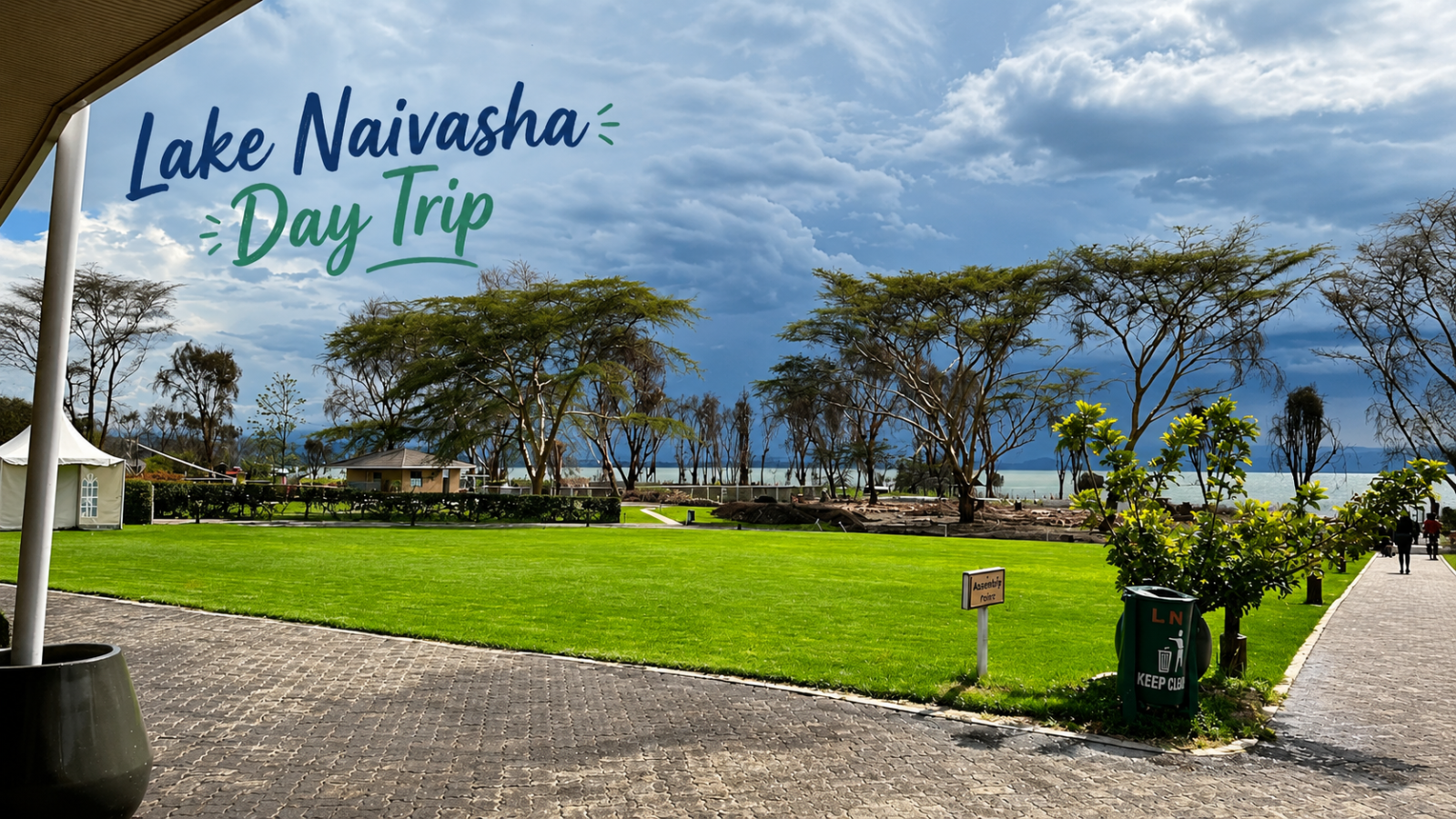

Lake Naivasha is the closest thing to a countryside escape that Nairobi has — 90 kilometres away, 1.5-2 hours by road, with walking safaris, boat rides, hikes, and cycling all within a single day. It is also a destination that needs to be assessed honestly rather than promoted boosterishly. This is the guide to what Naivasha actually delivers, what it doesn’t, and whether a day trip is worth the time.
Lake Naivasha is a weekend trip for Nairobi residents — and that fact matters more than most travel guides admit
Lake Naivasha is marketed in international travel publications and tour operator brochures as a Kenya safari destination — a Rift Valley jewel for international visitors planning their once-in-a-lifetime Kenya trip. The framing is technically accurate but strategically misleading. Lake Naivasha is, principally, a weekend trip for Nairobi residents — the default escape from the city traffic and altitude, a destination where Kenyan families go for weekend boat rides and Sunday lunches at lakeshore lodges. The international visitor traffic exists, but it is secondary to the domestic-resident demand that has built the lake’s infrastructure over decades.
This distinction matters because it determines whether Lake Naivasha is the right component of an international Kenya trip. For travellers with two weeks or more in Kenya, building Naivasha into the itinerary alongside the Mara, Samburu, or Tsavo can produce a strong supplement — particularly for the Hell’s Gate cycling experience and the Mount Longonot hike, both of which are genuinely distinctive.
For travellers with a single week and a long list of priorities, Naivasha is frequently the destination that should be cut — particularly if Lake Nakuru is already on the itinerary, which delivers comparable Rift Valley lake experience with substantially stronger wildlife content. The honest position is that Naivasha is a strong day trip from Nairobi for travellers who happen to have a day to spare, and a marginal inclusion in a tight Kenya circuit.
Lake Naivasha Day Trip from Nairobi Guide works through what Naivasha actually delivers as a day trip, what the costs and logistics are in 2026, where the standard tourism marketing overstates the value, and how to decide whether the day is worth the time. It also surfaces the elements of Naivasha's environmental and social context — the flower farm industry, the hippo welfare considerations, the climate-stress signals from the lake itself — that travel guides rarely discuss but that travellers paying attention will notice.
Quick reference — the essential Naivasha numbers
| DISTANCE FROM NAIROBI ~90–105 km / 1.5–2 hours by road | LAKE TYPE Freshwater (rare among Rift Valley lakes) |
| LAKE AREA ~140 km² (variable with water levels) | BIRD SPECIES RECORDED 400+ at lake and surrounds |
| BOAT RIDE COST (NON-RESIDENT) USD 20–30 per person, 1–1.5 hours | CRESCENT ISLAND ENTRY USD 30 per adult; boat transfer extra |
| HELL’S GATE ENTRY (NON-RESIDENT) USD 26–50 per adult | DAY TOUR FROM NAIROBI (ALL-IN) USD 190–230 per person typical |
Lake Naivasha — what it actually is
Lake Naivasha sits at 1,884 metres above sea level in the Great Rift Valley, approximately 90 kilometres northwest of Nairobi. It is one of the few freshwater lakes in the Rift Valley — most of the major Rift lakes (Nakuru, Bogoria, Elementaita, Magadi, Logipi) are alkaline soda lakes. The freshwater character produces a fundamentally different ecology: hippos rather than flamingos as the iconic wildlife, papyrus swamps along the shores rather than salt encrustations, and an extraordinarily dense bird population (over 400 species recorded) including African fish eagles, pelicans, kingfishers, and a range of waterfowl rare elsewhere in Kenya.
The lake is bordered by acacia woodlands on the north and west shores and by the Crescent Island peninsula (now disconnected from the mainland by rising water levels, hence requiring boat access). Crater Lake — a small green volcanic crater lake — sits just to the south. Mount Longonot, the 2,776-metre dormant volcano whose crater is hikeable, dominates the southern view. Hell’s Gate National Park sits to the south, accessible from the lake area. The combination of these features — lake, peninsula, volcano, gorge park, geothermal area — produces an unusual concentration of varied activities within a 30-kilometre radius.
The flower farm context
The single most important contextual fact about Lake Naivasha that travel guides rarely mention: the lake’s surrounding area is one of Kenya’s largest industrial-scale flower production zones. Approximately 70% of Kenya’s cut-flower exports — which generate over $700 million in foreign exchange annually — are grown on commercial flower farms surrounding Lake Naivasha. The farms include some of the world’s largest cut-flower operations (Oserian, Karuturi, Sher-Karuturi, others), employ tens of thousands of Kenyans, and use significant water and agrochemical inputs that flow into the lake watershed.
The implications for visitors are real but easy to miss. The hippos, fish eagles and birdlife that the tourism marketing emphasises coexist with the industrial agriculture that surrounds the lake. The lake’s water chemistry, fish populations, and broader ecological health are all affected by run-off from the surrounding farms. The boat ride that produces the iconic photograph of hippos and pelicans is the same lake that supports the agricultural economy producing roses exported to European supermarkets. Travellers visiting Naivasha should know this context. It is not a reason not to visit, but it is the honest answer to ‘what is this lake.’ The discerning explorer registers the complexity; the standard tourist photographs the hippos and leaves.
The standard Naivasha day trip — what you actually do
A standard Lake Naivasha Day Trip from Nairobi is built around three or four discrete activities, selected from a list of six or seven options. The most common patterns:
| Trip pattern | What you actually get | Best for |
| Boat + Crescent Island | Boat ride 1-1.5 hours with hippos and birds, then Crescent Island walking safari 1-2 hours. ~5 hours total in Naivasha. | Wildlife-focused day-trippers, families with young children, gentle pace. |
| Boat + Hell’s Gate | Morning bike or hike in Hell’s Gate (3-4 hours), afternoon boat ride. ~6-7 hours total. | Active travellers wanting both adventure and wildlife. The strongest balanced day-trip. |
| Mount Longonot hike | 3-5 hour volcano hike, crater rim views, return to Naivasha. ~6 hours total. | Fit travellers wanting a serious hike. Single-focus day trip. |
| Triple combo (boat + Crescent + Hell’s Gate) | All three activities in one day. Demanding pace. ~9-10 hours total including Nairobi transit. | Adventurous travellers with one day to spare. Tiring but covers the most ground. |
The boat ride — the strongest single activity
The boat ride on Lake Naivasha is, by general consensus, the strongest single activity available on a day trip. The format is straightforward: a 1-1.5 hour ride in an open boat (typically 7-8 passenger capacity) with a skilled local captain who narrates the wildlife. The hippo viewing is reliable and often close — large pods rest in the shallows, occasionally with calves visible alongside adults. African fish eagle sightings are essentially guaranteed; the eagles often perform the famous fish-catching dive when captains throw fish to attract them, though this practice is mildly controversial on welfare grounds (the eagles become habituated to vehicles and the diet is artificial). Bird life includes pelicans, cormorants, kingfishers, ibises, herons, and various waterfowl.
Cost: typically USD 20-30 per person for the boat ride, with private boat rentals available at slightly higher rates. Duration: plan for 1-1.5 hours on the water plus 30 minutes for departure and return. Safety considerations: hippos are responsible for more human deaths in Africa than most large mammals; captains know which boats and channels to use; swimming in Lake Naivasha is strictly prohibited and any visitor who suggests it should be informed firmly of the risk. The boat ride is the genuine highlight of a Naivasha day trip and the single activity worth doing even if nothing else fits the schedule.
Crescent Island — the contested experience
Crescent Island is a private wildlife sanctuary on a former peninsula of Lake Naivasha — rising water levels have isolated the peninsula and turned it into a true island accessible only by boat. The sanctuary covers approximately 2.5 km² and is famous for one specific feature: walking among habituated wildlife (giraffes, zebras, wildebeest, eland, impala, gazelle, waterbuck, hippos at the water’s edge) without predators present. The island was used as a filming location for the 1985 film ‘Out of Africa’ and has retained a low-key cinematic identity since.
For families with young children, photographers wanting close-range wildlife images without bush-driving complexity, or travellers specifically wanting to walk among animals without predator risk, Crescent Island delivers genuine value. For travellers expecting the depth of a Mara conservancy bush walk with armed ranger, the experience will feel commercial and constrained.
Hell’s Gate National Park — the genuine adventure
Hell’s Gate National Park is one of the more distinctive small parks in Kenya: 68 km² of dramatic gorge scenery, basalt cliffs, geothermal features, and an unusual KWS regulation permitting walking and cycling without an armed guard (because the park has no significant predator population). The standard activities include cycling through the gorge alongside zebras, giraffes, and various antelopes; hiking down into Ol Njorowa Gorge with its hot springs and dramatic narrow walls; and walking among the basalt towers (Fischer’s Tower and Central Tower) that gave the park its name. The geothermal activity continues — Olkaria Geothermal Station generates a meaningful portion of Kenya’s electricity from steam fields adjacent to the park.
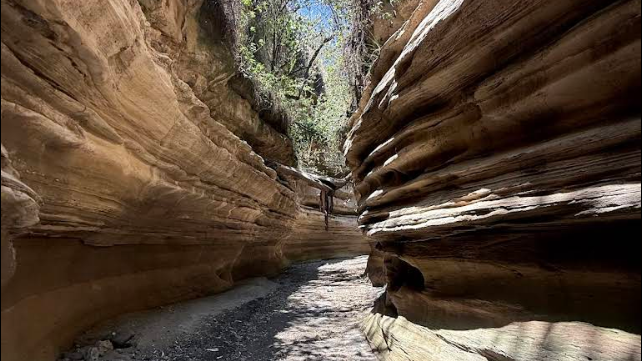
The honest assessment of Hell’s Gate, which travel guides do get right: it is exceptional value and delivers a genuinely distinctive experience. The cycling-among-wildlife format is rare in East Africa, the gorge scenery is dramatic and photogenic, and the freedom to walk and ride without the guide-and-armed-ranger framework changes the entire feel of the wildlife encounter.
The walking/cycling experience is the closest thing in Kenya to the iconic ‘cycling safari’ marketing — and it actually delivers on that framing. Cost-benefit: USD 26-50 entry plus ~$10 bike rental, for 3-4 hours of activity, makes Hell’s Gate one of Kenya’s strongest value-per-dollar wildlife experiences. For a Naivasha day trip, Hell’s Gate is the activity to prioritise over Crescent Island if budget or time constraints force a choice.
Mount Longonot — the hike option
Mount Longonot is a 2,776-metre dormant volcano whose crater (1.8 km wide, 200m deep) can be hiked around in a 3-5 hour loop. The hike is moderately demanding — 2.5km steep ascent to the crater rim from the parking area, then a 7km rim circuit, then return. Total elevation gain is approximately 600 metres. Views from the rim include the lake below, the broader Rift Valley, and on clear days the distant snowfields of Mount Kenya.
Cost: USD 20 entry. The hike is the strongest physical-challenge activity in the Naivasha area but the most demanding — travellers without recent hiking fitness should expect to be sore the following day. For active travellers wanting a single-focus day trip from Nairobi rather than the standard mixed-activity boat-plus-walks pattern, Mount Longonot is a strong choice.
Crater Lake and the Olkaria Geothermal Spa
Crater Lake — a small (approximately 200m diameter) green volcanic crater lake just south of Naivasha — offers a short 30-45 minute hike with photogenic compositions and a private game sanctuary surrounding it. The Olkaria Geothermal Spa is a hot-spring pool at Olkaria fed by the surrounding geothermal field; the pool is open to visitors at USD 10-20 entry and offers a genuinely unusual hot-spring experience in the middle of the Rift Valley. Both are secondary activities — interesting additions but rarely the primary reason to come.
Practical planning — the logistics
Getting there
Naivasha is the most accessible safari-related destination from Nairobi. By private vehicle: 1.5-2 hours via the A104 (Nairobi-Nakuru Highway), with the Great Rift Valley viewpoint approximately 60-75 minutes out producing a worthwhile stop. By matatu (shared minibus): regular services from central Nairobi stations to Naivasha town, costing approximately KES 300-500 ($3-5); slower (2-2.5 hours) and less comfortable but cheap. By Standard Gauge Railway: the SGR’s Naivasha station opened in 2019, providing a 50-minute scheduled service from Nairobi — convenient for travellers booking organised tours from the SGR station rather than driving.
Costs in detail
| Activity / fee | Non-resident cost | Honest assessment |
| Lake Naivasha entry | Free (no park fee) | The lake is not a national park; you pay only for activities and accommodation. |
| Boat ride (1–1.5 hours) | USD 20–30 pp | Strong value. Hippo and fish eagle viewing. The honest ‘must-do’ on the lake. |
| Crescent Island walking sanctuary | USD 30 pp adult | Walk among habituated giraffe, zebra, wildebeest. Photogenic but somewhat overpriced for what it is. |
| Hell’s Gate National Park entry | USD 26–50 pp | Excellent value. Walk and cycle among wildlife. No large predators. The genuine adventure stop. |
| Hell’s Gate bike rental | KES 1,000–1,500/day (~$10) | Standard add-on at the park gate. |
| Mount Longonot hike entry | USD 20 pp | 3–5 hour hike up a dormant volcano. Excellent if fit; demanding if not. |
| Crater Lake hike | USD 15 pp | Short hike to a green volcanic crater lake. Strong photo content. |
| Olkaria Geothermal Spa | USD 10–20 pp | Hot spring pool fed by geothermal activity. Unusual addition. |
| Full-day organised tour from Nairobi | USD 190–230 pp | Typical all-in price including transport, guide, fees. Solo travellers pay more. |
Best time to visit
Naivasha operates year-round with seasonal variation. The recommended windows:
- January-March (dry season): Strong weather, hippos very visible, bird migration peak.
- July-October (secondary dry): Cool dry weather, strong all-round conditions.
- April-May (long rains): Reduced visibility on boat rides, some access constraints, lower visitor density and pricing.
- November (short rains): Variable, but typically still functional with afternoon-rain pattern.
The strongest visitor pressure is on weekends (Nairobi residents) — weekday visits experience meaningfully lower density at the standard activities. For day-trippers from Nairobi who can flex on day-of-week, weekday visits produce a better experience.
Where to stay if extending overnight
Most international visitors do Naivasha as a day trip, but overnight stays add depth particularly if combining with Hell’s Gate or Mount Longonot. Strong options:
- Loldia House — Boutique luxury, lakefront, classic colonial-era atmosphere.
- Enashipai Resort and Spa — Mid-luxury, family-friendly, established Kenyan domestic destination.
- Lake Naivasha Sopa Resort — Mid-range, large lakefront property, good for families.
- Kongoni Game Valley — Boutique mid-luxury with strong eco-credentials.
- Camp Carnelley’s — Budget-friendly camping and bandas, genuine bush feel, hippos on the lawn at night.
- Fisherman’s Camp — Budget classic with hippos grazing outside tents.
Note on hippos at budget camps: budget lakeside accommodations are genuinely visited by hippos at night. Camp staff turn on electric fences at dusk, but the experience of hearing hippos grunting and grazing within metres of the tent is real. This is part of the camping appeal for some travellers and a deal-breaker for others. Verify the property’s wildlife management approach before booking if this matters.
The hippo safety question
Hippos cause more human deaths in Africa than most large mammals — estimates range from 500-3,000 fatalities per year continent-wide. The risk at Naivasha is real but well-managed for visitors who follow basic rules. The key safety points:
- Never swim in Lake Naivasha. The lake holds hippos and crocodiles; swimming is prohibited for genuine safety reasons, not just regulatory caution.
- On boat rides, follow the captain’s instructions. Captains know hippo behaviour and channels.
- Hippos on land at night (around budget camps) require care. Move calmly and slowly, never get between a hippo and water. Camp staff are trained to manage this; follow their guidance.
- Hippos can move faster than humans on land — do not assume distance gives you safety. Stay near vehicles or buildings.
- Crescent Island has hippos at the water’s edge; the walking sanctuary’s guides know which areas to avoid.
Who Lake Naivasha is actually for
Strong fit
- Travellers with one day to spare in Nairobi who want the closest possible safari-style experience without committing multiple days.
- Active travellers prioritising the Hell’s Gate cycling experience or the Mount Longonot hike.
- Families with young children — the activities are accessible, the wildlife is visible without long drives, the day is logistically manageable.
- Birders — 400+ species, both lake-edge and forest-edge habitats.
- Domestic and East African weekend travellers — significantly lower cost than international-fee destinations.
- Photographers wanting hippo and fish eagle images — the boat ride delivers these efficiently.
- Travellers building a Nairobi-arrival or Nairobi-departure day into a longer itinerary.
Look elsewhere or adjust expectations
- Travellers expecting a major safari destination — Naivasha is a day trip, not a Mara substitute.
- Travellers prioritising Big Five viewing — Naivasha has no significant predators and only modest plains game.
- Travellers who already have Lake Nakuru on the itinerary — the Rift Valley lake experience is redundant; pick one.
- Travellers wanting the conservancy activity portfolio (off-road, night drives, walking safaris with armed ranger) — Naivasha does not deliver this.
- Ultra-luxury seekers — accommodation tops out at mid-luxury; no ultra-premium properties.
- Travellers on a very tight Kenya itinerary (5-7 days with multiple priority destinations) — Naivasha is the most cuttable destination on a tight schedule.
The honest position
Lake Naivasha is a strong day trip from Nairobi and a marginal inclusion on tight Kenya itineraries. The honest summary: the boat ride is excellent and worth doing for any visitor with a day available; Hell’s Gate cycling is one of the strongest single value-per-dollar wildlife experiences in Kenya; Mount Longonot is a serious hike worth doing for fit travellers; Crescent Island is photogenic but somewhat overpriced for what it actually delivers; and the broader Naivasha experience is genuinely interesting as a Nairobi weekend escape but should not be confused with a major safari destination.
For day-trippers from Nairobi: book the boat ride plus Hell’s Gate cycling combination, accept the day will involve substantial driving on both ends, and treat the trip as the day-out it is rather than as a safari substitute.
For travellers building longer Kenya itineraries: if Lake Nakuru is already on the trip, Naivasha is probably redundant and cuttable. If only one Rift Valley lake fits the itinerary, Nakuru delivers stronger wildlife content. If both fit, the combination produces a credible Rift Valley extension. Naivasha is also genuinely valuable as a buffer day at the start or end of a Kenya trip — particularly for travellers arriving jet-lagged and wanting a gentle introductory day before the longer safari drives begin.
THE BOTTOM LINE Lake Naivasha is a good day trip and a marginal extended destination. Book it as a day from Nairobi (boat + Hell's Gate is the strongest combo), or as a 1-2 night stop on a Mara + Nakuru + Naivasha circuit. Do not book it as a major safari destination. And remember that the flower farm context — the lake supports both wildlife tourism and industrial agriculture — is part of what Naivasha actually is, even if the marketing prefers to leave that out.
RELATED READING
- Lake Nakuru National Park: flamingos and rhinos explained — The stronger Rift Valley lake destination.
- Best time to visit Kenya — Including the seasonal windows for Rift Valley travel.
- Maasai Mara Destination Guide — The major safari destination Naivasha day-trippers often combine with.
- Mount Kenya trek: the complete beginners guide — The more substantial mountain hike alternative to Longonot.
- Responsible tourism in Kenya: how to travel ethically — Including the flower farm context around Naivasha.
Tell us what you are looking for, and we will tell you honestly whether we can deliver it — and if we cannot, we will tell you who can.