The geography of Amboseli accommodation — why it matters
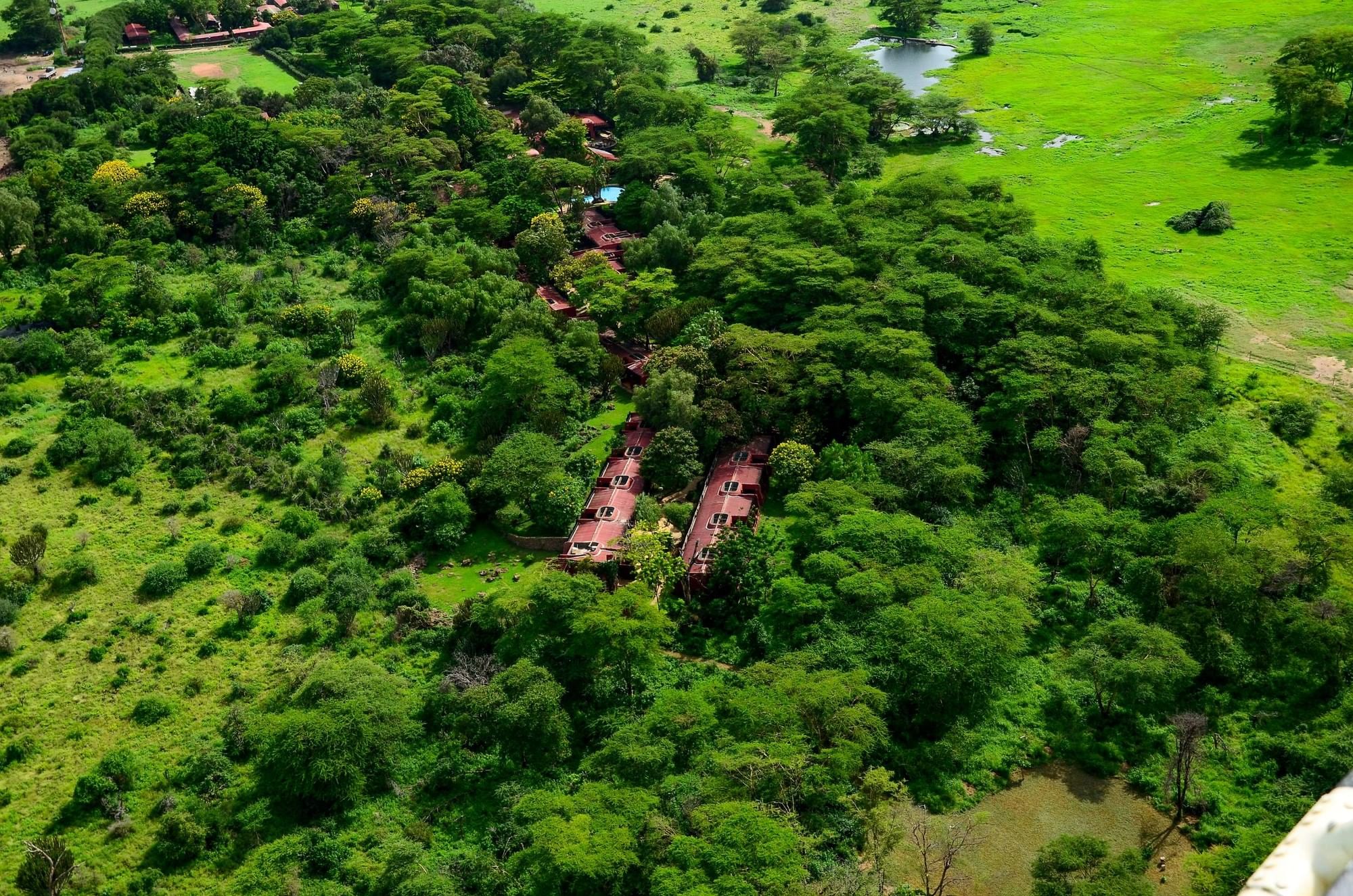
Choosing where to stay in Amboseli is a more consequential decision than it is in most Kenya safari destinations, because the ecosystem is large and the relationship between accommodation location and experience is specific. Most visitors assume the obvious choice is inside the national park itself. This is correct for one purpose — maximum time proximity to the main swamps and the highest Kilimanjaro-with-elephants photography probability — but wrong for others. Only three lodges are inside the park boundary. The majority of Amboseli’s best accommodation is in the surrounding private conservancies and community group ranches, each offering something different from the national park experience.
The key distinction mirrors the Maasai Mara: lodges inside the national park cannot operate night drives or walking safaris. Lodges in the surrounding conservancies can. If seeing Amboseli’s nocturnal wildlife — the hyenas, servals, and African wildcats that are active after dark — matters to you, a conservancy camp is necessary. If your sole purpose is the iconic Kilimanjaro-and-elephants dawn photograph from the Enkongo Narok swamp, and you have no interest in night drives or walking, the best lodge for that specific purpose is inside the park.
The second critical factor is Kilimanjaro position. The mountain is to the south and south-southeast of the park. Camps positioned on the south and east sides of the ecosystem generally have the best mountain views. Camps in the Selenkay Conservancy to the north see less of the mountain but access different wildlife patterns and have the least crowding of any Amboseli accommodation.
Amboseli Accommodation — Quick Facts
Inside park lodges3 only: Ol Tukai, Amboseli Serena, Kilima Safari Camp
Activity limitation (inside park)No night drives · No walking safaris
Night drivesConservancy camps only — Tortilis, Porini, Angama, Tawi, Satao Elerai
Best Kilimanjaro viewsSouth/SE of park — Tortilis, Ol Tukai, Angama Amboseli, Satao Elerai
Best for research accessOl Tukai (AERP HQ nearby) — arrange briefing in advance
Park fee~$60/day per person · Payable via KWS eCitizen portal
Best months photographyJanuary–February for Kilimanjaro clarity
AirstripKimana Airstrip — 1.2km, suitable for light charter aircraft
Inside the national park — three lodges, three positions
Ol Tukai Lodge
Inside national park · Ol Tukai woodland · Best Kilimanjaro photography position
The most celebrated photography base in Amboseli — positioned in the Ol Tukai woodland (the grove of doum palms and yellow fever trees at the heart of the park) with the most reliably unobstructed view of Kilimanjaro from any accommodation in the ecosystem. Eighty rooms across multiple categories from standard to premium. The bar, restaurant, and most room terraces frame the mountain directly — the classic Amboseli postcard shot of elephants under Kilimanjaro is taken most commonly from access tracks near Ol Tukai or from the lodge’s own grounds. The Amboseli Elephant Research Project’s headquarters are minutes away; arrange a researcher briefing through the lodge before arrival. Large enough for groups; smaller premium rooms provide a more intimate feel. No night drives as this is inside the national park, but the unbeatable Kilimanjaro positioning makes it the first choice for photographers specifically targeting that image.
From $380 per person per night · All inclusive
Best Kili photography positionResearch project nearbyOl Tukai woodlandNo night drives
Amboseli Serena Safari Lodge
Inside national park · Hilltop position · Mountain and swamp views
On a slight rise within the national park with views of both the main swamps and Kilimanjaro from the restaurant, bar, and most rooms. The Serena property provides the most comprehensively equipped large lodge experience inside the park: multiple room categories, a pool with mountain views, a reliable food and beverage operation, and consistent Serena-standard service. Maasai-themed décor and hand-painted murals throughout. The best large-lodge option for groups, families with young children, and travellers who want full resort facilities. Elephants frequently pass within view of the restaurant deck. Close to Observation Hill — the only point in the park where guests can walk unescorted for panoramic views.
From $280 per person per night · All inclusive
Hilltop swamp and Kili viewsPoolBest large lodge inside parkGroups and families
Kilima Safari Camp
Inside national park · Near Kimana Gate · Elevated waterhole views
A mid-range tented camp inside the national park near the Kimana Gate, with an elevated position above the Amboseli plain and good views of both Kilimanjaro and the waterholes that attract elephant, buffalo, and antelope throughout the day. Elevated decks and watchtower allow wildlife viewing from camp itself. Smaller and more intimate than Ol Tukai or Serena — well-suited for travellers who want the national park proximity without the large-lodge environment. Rooms are comfortable; food is reliable. Positioned well for early morning swamp drives before the day heats up.
From $220 per person per night · All inclusive
Elevated waterhole viewsMore intimate than large lodgesGood Kilimanjaro positionBest value inside park
Private conservancies south of the park — the best Kilimanjaro camps
Tortilis Camp
Kitirua Conservancy · South of the park · Kenya’s original eco-camp · Since 1990
Kenya’s first dedicated eco-luxury camp, founded in 1990 and named after the umbrella-shaped Acacia tortilis trees that shade its grounds. Tortilis sits in the private Kitirua Conservancy directly south of the national park boundary with unobstructed Kilimanjaro views from every tent deck — the mountain is fully visible, cloud-free, from 6am to approximately 9am on clear mornings. Sixteen tented suites with en-suite bathrooms, outdoor showers, and private decks facing the mountain and the plains below. Full conservancy activities: walking safaris, night drives, off-road vehicle access. Elephants move through the camp’s grounds regularly — waking up to elephants browsing twenty metres from your tent while Kilimanjaro blazes pink and white in the dawn light is the signature Tortilis experience. Three and a half decades of conservation leadership: 100% solar power, direct Maasai community partnerships, and guides who have accumulated generational knowledge of every elephant family in the ecosystem. The most ethically grounded Amboseli camp and one of the finest in Kenya by any measure.
From $780 per person per night · All inclusive · Conservancy fees included
Kenya’s first eco-camp 1990Best unobstructed Kili viewsElephants in campNight drives · Walking safaris100% solar
Tawi Lodge
Private conservancy southeast · Infinity pool over waterhole · Exclusive feel
Set on a private conservation area a short drive from the park’s eastern boundary, Tawi offers the quietest and most unhurried Amboseli experience of any mid-to-upper-luxury camp. The lodge is defined by its central infinity pool that overlooks a busy waterhole — elephants, giraffe, and antelope visit throughout the day and the pool deck becomes an unexpected wildlife watching platform. Stone and wood cottages spread across open acacia plains, each with private terraces from which wildlife regularly passes. Solar powered, greywater recycled, reforestation programme active. Tawi consistently appears on “most private Amboseli” lists from experienced travellers and is one of the better camps at providing the complete rest that the best Kenya safari-and-coast combinations require.
From $480 per person per night · All inclusive
Infinity pool over waterholeMost private AmboseliSolar poweredWildlife from pool
Selenkay Conservancy — north of the park
Porini Amboseli Camp
Selenkay Conservancy · 13,000 acres · Only camp in the conservancy
The only accommodation within the 13,000-acre Selenkay Conservancy to the north of Amboseli National Park. When Porini opened in 2001, it was one of the first eco-camps in Kenya and remains one of the most credible examples of genuine community-based tourism in the country. Nine guest tents plus one family tent, all solar-powered, all built with zero-impact design — the camp’s founders note that with a few rains, nature would reclaim the site within weeks if Porini left. All staff are locally employed and trained Maasai. 100% of donations flow through the Wildlife Habitat Trust to community education, healthcare, and sustainable livelihoods programmes. Daily game drives in both the Selenkay Conservancy (night drives available here) and the national park. Guided walks with Maasai warriors. The Selenkay position means you see fewer vehicles in any direction than from any park camp, and the wildlife in the conservancy — elephant, lion, giraffe, and cheetah are all resident — provides a genuine dual-ecosystem experience.
From $420 per person per night · All inclusive
Only camp in SelenkayPioneer eco-camp 2001100% Maasai staffNight drives availableZero single supplement
Kimana Conservancy — east of the park
Angama Amboseli
Kimana Conservancy · From Angama Mara team · Opened 2023
From the team behind Angama Mara — consistently ranked among Kenya’s best camps — Angama Amboseli opened in late 2023 in the Kimana Conservancy east of the national park. Fifteen tented suites including two interconnecting family units. The design language is bold and distinctive: canvas, concrete, and natural textures combining to frame uninterrupted Kilimanjaro views from every suite. The conservancy access provides off-road drives, walking safaris, and night drives unavailable from inside the national park. The elephant research project’s headquarters are nearby, making a researcher briefing logistically straightforward. Was fully booked for months ahead of opening — a market signal that reflects the Angama brand’s credibility and the genuine demand for a new quality entry into the Kimana area. Interconnecting family suites make this the strongest family choice in the ecosystem after Lewa House.
From $950 per person per night · All inclusive
Angama Mara teamOpened 2023Interconnecting family suitesNight drives · Walking safaris
Elerai Conservation Area — closest camp to Kilimanjaro
Satao Elerai Camp
Elerai Conservation Area · Southeast boundary · Closest to Kilimanjaro
Widely cited by Expert Africa and independent specialists as one of the most distinctive properties in the Amboseli ecosystem — positioned in the private Elerai Conservation Area southeast of the national park at what is essentially the base of Kilimanjaro. The mountain dominates the southern sky more completely from here than from any other Amboseli camp. Suites are elevated on wooden platforms with the treehouse-like quality of genuine refuge — clawfoot bathtubs, vast mosquito-netted beds, private decks with Kilimanjaro directly ahead. The conservation area’s community partnership directs a portion of proceeds to local Maasai initiatives. Night drives available. The remoteness and intimacy of the camp means it rarely appears in “top ten” lists compiled by writers who haven’t stayed here — Expert Africa calls it “a rarified blend of privacy and wildlife immersion.”
From $580 per person per night · All inclusive
Closest camp to KilimanjaroTreehouse-elevated suitesClawfoot bathtubsNight drives availableRarely mentioned
Chyulu Hills — the wild frontier beyond Amboseli
Thirty kilometres northwest of Amboseli’s Kimana Gate, at the foot of the Chyulu Hills volcanic range, is one of Kenya’s most remarkable and least-visited conservation landscapes. The Chyulu Hills are among the youngest volcanic structures in Africa — some cones no more than 200–500 years old. The lava tube caves beneath the hills, the Shetani Lava Flow, and the Mzima Springs (which flow from underground water filtered through Chyulu lava into Tsavo West) make this an extraordinary geological destination. Two very different camps offer access.
Ol Donyo Lodge
Mbirikani Group Ranch · Chyulu Hills · Great Plains Conservation · Kenya’s most innovative lodge
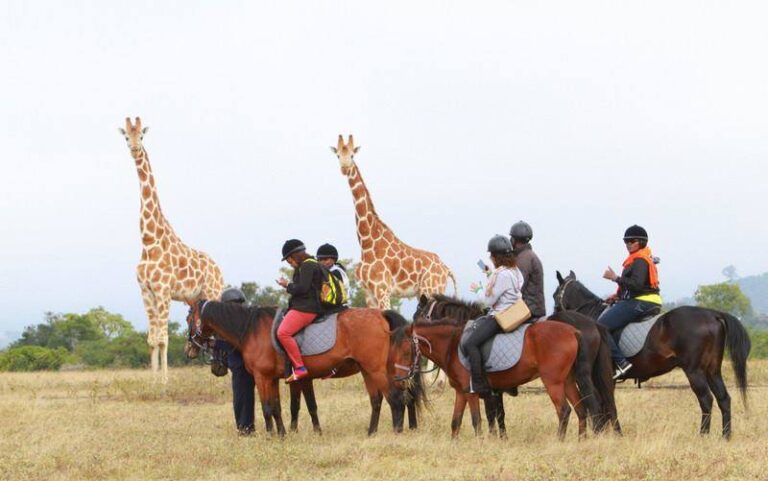
Part of the Great Plains Conservation portfolio alongside Mara Plains and Mara Nyika, Ol Donyo is consistently described by experienced safari specialists as one of the best lodges anywhere in Kenya — a level of praise that its limited marketing presence means most travellers never encounter. Set on the Mbirikani Group Ranch at the base of the Chyulu Hills with extraordinary views of both Kilimanjaro to the east and the Chyulu Hills behind. Rooms are enormous — the largest suites in the ecosystem — with private infinity plunge pools and a photographic hide right by a waterhole where elephants drink daily. Horseback safaris are available and among the finest in Kenya. Walking safaris, mountain biking, and night drives. The conservation model is exemplary: the entire ranch covers 430,000 acres managed jointly for Maasai pastoralism and wildlife by the Big Life Foundation. The Mbirikani Area has one of the longest fences in Africa (fence assisted conservation), protecting wildlife corridors between Amboseli and Tsavo.
From $1,100 per person per night · All inclusive
Best in Kenya for specialistsHorseback safarisPhotographic waterhole hideKili and Chyulu views430,000 acre ranch
Campi ya Kanzi
Kuku Group Ranch · Chyulu Hills · 1,000 km² Maasai conservancy
An Italian-designed, Italian-run luxury tented camp on a 1,000-square-kilometre Maasai conservancy at the base of the Chyulu Hills — one of the most unusual and most authentically integrated camps in Kenya. The camp’s founders, Luca and Antonella Belpietro, have been operating here since 1990 in deep partnership with the Kuku Maasai community. The community integration at Campi ya Kanzi goes further than most camps: community members are not just employed but are genuine co-managers of the conservancy, and the Maasai Environmental Resource Coalition (MERC) holds formal governance authority over wildlife management decisions. The guides — all from the local Maasai community — possess the kind of generational ecological knowledge that formal training programmes cannot replicate: they know the Chyulu Hills landscape the way their grandparents knew it, with the additional layer of formal wildlife ecology education. A difficult camp to categorise and an extraordinary one to experience.
From $620 per person per night · All inclusive
1,000 km² Maasai conservancyDeepest community integrationItalian designMERC community governanceSince 1990
Mbirikani Group Ranch — rarely mentioned, remarkable
The Mbirikani Group Ranch — a 430,000-acre Maasai community landholding that forms the corridor between Amboseli National Park and Tsavo West National Park — is one of the most important wildlife conservation areas in southern Kenya and one of the least discussed. The Big Life Foundation, which manages anti-poaching operations across the ranch and adjacent areas, protects an elephant corridor that is critical for gene flow between the Amboseli and Tsavo ecosystems. Without the Mbirikani corridor, these two populations would be genetically isolated — with serious long-term consequences for both.
The ranch is home to Ol Donyo Lodge (profiled above) but also to the Big Life Foundation’s ranger stations and research facilities, which can be visited by arrangement from either Ol Donyo or from Amboseli-area camps as an educational experience. For travellers with specific conservation interests, understanding the Mbirikani corridor’s role in the Southern Kenya elephant landscape — and seeing the Big Life Foundation’s anti-poaching work in the field — provides a depth of wildlife conservation context that almost no other Kenya destination can offer.
Budget and mid-range options
Amboseli Sopa Lodge
Near Kimana Gate · Large lodge · Family-focused
The most comprehensive large-lodge option in the ecosystem — 83 rooms across rustic, well-spaced stone cottages through mature gardens. Pool area, multiple room categories, flexible mealtimes, and a consistent food and beverage operation make this the most reliable choice for groups with mixed requirements, large families, and travellers whose primary need is predictable, well-organised logistics rather than boutique intimacy. Inside the national park boundary in terms of access; no night drives. The most straightforward, no-surprises option at a mid-range price point.
From $180 per person per night · All inclusive
83 roomsFamily-focusedPool areaBest budget large lodge
Kibo Safari Camp
Near Kimana Gate · Mid-range · Tented · Kilimanjaro views
A well-regarded mid-range tented camp near the Kimana Gate with reliable Kilimanjaro views from the main areas and reasonable proximity to the central swamp wildlife zones. Safari tents are spacious and well-maintained. Consistent guest ratings for friendly staff and good food at this price point. The best mid-range option for first-time Amboseli visitors who want a comfortable, honest experience without the premium pricing of the conservancy camps or the large-lodge atmosphere of the Serena and Sopa.
From $220 per person per night · All inclusive
Reliable mid-rangeKilimanjaro viewsGood staff ratingsFirst-time visitors
How to choose — decision matrix
| Priority | Best camp | Why |
|---|
| Kilimanjaro photography at dawn | Ol Tukai or Tortilis | Ol Tukai for park swamp access; Tortilis for unobstructed conservancy views |
| Night drives + walking safaris | Tortilis · Angama · Porini · Satao Elerai | All outside the national park with full conservancy activities |
| Family with young children | Angama Amboseli · Amboseli Serena | Angama: interconnecting suites; Serena: facilities, pool, park access |
| Best conservation model | Tortilis · Porini · Campi ya Kanzi | Longest track records of genuine community-conservation integration |
| Closest to Kilimanjaro | Satao Elerai | Southeast boundary of park, Elerai Conservation Area |
| Best overall luxury | Ol Donyo Lodge | Specialist consensus: one of the best lodges anywhere in Kenya |
| Budget with park access | Kibo Safari Camp | Best maintained mid-range tented camp near Kimana Gate |
| Community-owned accommodation | Porini Amboseli | 100% Maasai staff; Wildlife Habitat Trust direct community benefit |
| Elephant research experience | Ol Tukai | AERP headquarters minutes away; arrange researcher briefing in advance |
When to book
- July–October peak season: Book 6–9 months in advance for the best conservancy camps. Tortilis, Angama, and Ol Donyo in particular sell out for peak season well in advance.
- January–February (photography season): 4–6 months in advance is usually sufficient. This is when the Kilimanjaro views are clearest, the predator activity is strongest from calving season, and the prices are 15–20% below peak. Ol Tukai specifically is worth booking early for this window as its photography reputation drives demand.
- March–May green season: Availability is generally not a problem. Rates drop 30–40%. Some conservancy camps close for maintenance in April. Confirm before booking.
- December–January: The holiday period produces a demand spike. December 20 through January 5 rates match or exceed peak safari season at most properties. Book 6–9 months ahead for this window.
Free · No obligation
Combining Amboseli with the Mara or Tsavo? We can build the full itinerary.
Amboseli Hotels
Amboseli Lodges
Where to Stay Amboseli
Best Amboseli Camps
Amboseli National Park Accommodation
Tortilis Camp Amboseli